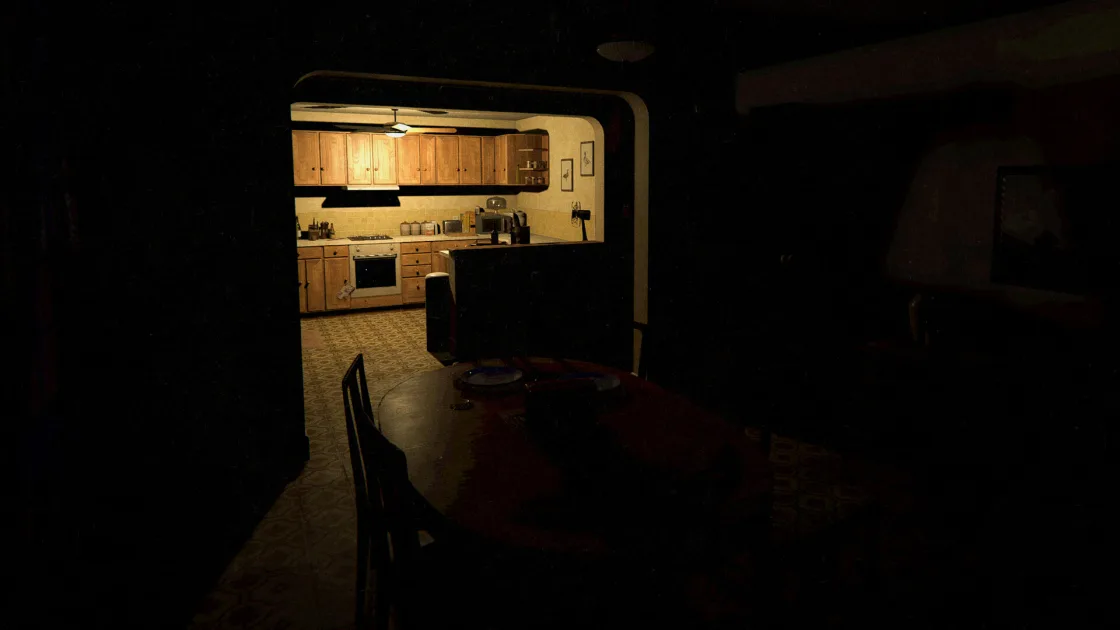
Stepping over the threshold of a dark, abandoned suburban house with nothing but an EMF Reader and a flickering flashlight is one of the most thrilling experiences in cooperative gaming. Utilizing a comprehensive Phasmophobia ghost guide is essential for identifying paranormal entities swiftly before team sanity plummets and relentless hunting phases commence. With over twenty-four distinct ghost personalities currently haunting maps from Tanglewood Drive to Sunny Meadows, distinguishing subtle environmental behavioral tells from definitive mechanical evidence is the difference between surviving with thousands of dollars in rewards or meeting a chilling demise in the dark.
Every ghost type in Phasmophobia possesses unique personality quirks, specific hunt sanity thresholds, movement speed variations, and hidden interactions. While standard difficulty settings provide all three official pieces of evidence, higher difficulties like Nightmare and Insanity conceal one or more evidence types, requiring investigators to deduce entity identities purely through behavioral patterns and audio footsteps. This in-depth guide covers the seven core evidence categories, unique ghost tells, sanity management, and hunt survival tactics.
The 7 Core Evidence Types & How to Test Them Safely
To successfully log an entity in your journal, investigators must deploy specialized apparatus to record three official evidence types.
1. EMF Level 5: Detected via the EMF Reader. A standard ghost interaction produces EMF 2 (moving an object) or EMF 3 (throwing an object). If the entity has EMF 5 evidence, any standard interaction has a 25% chance to light up all five LED pips or produce an irregular high-pitched siren.
2. Spirit Box: Requires speaking specific recognized voice prompts into the receiver while standing in the ghost room with the main room lights turned off. Prompts such as "Where are you?", "How old are you?", and "Give us a sign" trigger a ghostly robotic radio response if the entity possesses Spirit Box evidence and the investigator meets the proximity and alone/group condition.
3. Ultraviolet (UV / Fingerprints): Checked using a UV Flashlight or UV Glowstick. When ghosts touch doors, window glass, light switches, or cooler lids, they leave behind glowing neon handprints or footprints. Handprints persist for two minutes unless modified by ghost-specific traits.
4. Ghost Orb: Visible exclusively through Video Cameras equipped with Night Vision mode displayed on the truck monitor or held handheld cameras. Orbs appear as faint glowing firefly-like motes floating through the ghost room air.
5. Ghost Writing: Requires placing a Ghost Writing Book within the entity's active area. When influenced, the ghost scribbles cryptic occult markings, symbols, or scratches onto the parchment. Placing a book near an active ghost that refuses to write while throwing objects around it is strong negative evidence.
6. Freezing Temperatures: Recorded using a digital or analog Thermometer. While breath plumes can appear in cold rooms, true Freezing Temperatures evidence requires the thermometer reading to drop below zero degrees Celsius (32°F or below).
7. DOTS Projector: Emits an array of green infrared laser points. When in a roaming state, ghosts with DOTS evidence momentarily reveal their translucent, running silhouette through the laser matrix, visible to the naked eye or on video feeds.
Phasmophobia Ghost Guide: Types, Evidence & Hunt Sanity Table
The table below summarizes common and deadly ghost archetypes, their official evidence, hunt thresholds, and hallmark behavioral tells.
| Ghost Type | Official Evidence | Hunt Sanity | Key Secret Tell / Behavior |
|---|---|---|---|
| Demon | UV, Ghost Writing, Freezing | 70% (Ability: 100%) | Can use its rare ability to hunt at ANY sanity level, even 100% within the first minute. Crucifix range is increased to 5 meters. |
| Wraith | EMF 5, Spirit Box, DOTS | 50% | Never steps in salt piles. If a ghost walks through salt and leaves zero footprints, it is guaranteed to be a Wraith. Can teleport to players. |
| Revenant | Ghost Orb, Ghost Writing, Freezing | 50% | Moves agonizingly slow (1.0 m/s) when it cannot see a player, but accelerates to blistering speeds (3.0 m/s) immediately upon gaining line of sight. |
| Thaye | Ghost Orb, Ghost Writing, DOTS | 75% (Early) → 15% (Late) | Ages rapidly when players are in its room. Extremely aggressive and lightning-fast early; becomes sluggish and docile as it ages. |
| The Mimic | Spirit Box, UV, Freezing (+ Ghost Orbs) | Variable | Always displays "fake" Ghost Orbs as a fourth evidence (even on zero-evidence difficulty). Copies behaviors of other ghosts randomly. |
| Oni | EMF 5, Freezing, DOTS | 50% | Hyperactive when players are nearby; throws objects with extreme velocity. Never displays the smoky air ball ghost event. |
| Moroi | Spirit Box, Ghost Writing, Freezing | 50% | Curses players who hear it on the Spirit Box or Parabolic Mic, doubling passive sanity drain. Speed increases as player sanity drops. |
| Deogen | Spirit Box, Ghost Writing, DOTS | 40% | Always knows exactly where you are hiding (cannot hide). Moves extremely fast across the map, but slows down to a crawl right next to you. |
Secret Behavioral Tells: Identifying Ghosts Without Evidence
On Nightmare and Insanity difficulties where evidence is restricted, seasoned investigators rely on unique audio, visual, and behavioral tells:
1. The Phantom: Vanishing on Camera
Taking a photograph of a Phantom during a manifestation event causes the ghost to vanish immediately from your vision while continuing to produce audio, and the resulting photo in your journal will display zero distortion or electronic interference with a clean "3-Star Ghost" label. Furthermore, during hunts, the Phantom's visible flickering model blinks out for extended durations (visible for only 1 to 2 frames every 2 seconds).
2. The Poltergeist: The Multi-Item Explosion
While any ghost can throw a single cup or book, the Poltergeist possesses a special ability that throws multiple nearby items simultaneously with explosive force. Creating an "item pile" in the ghost room with mugs, plates, and candles allows you to test for a Poltergeist explosion, which drops player sanity by 2% for every item hurled.
3. The Hantu: The Cold Breather
The Hantu moves drastically faster in cold rooms and slows down significantly in warm rooms with the house breaker turned on. On maps where the breaker is active, a Hantu will move sluggishly through heated hallways. Furthermore, when hunting in sub-zero temperatures, the Hantu visibly emits icy breath from its mouth model.
4. The Banshee: The Siren's Screech
The Banshee targets a single designated player in the squad, ignoring all other teammates during hunts until its target is dead. When holding a Parabolic Microphone pointed toward a Banshee, players have a unique chance to capture its signature audio tell: a distinct wailing, screeching sonic shriek.
The 7 Cursed Possessions: High-Risk Investigation Tools
Every contract in Phasmophobia spawns exactly one randomly selected Cursed Possession. These arcane relics allow investigators to locate the ghost room instantly, force photos, or gather elusive evidence—at the expense of extreme sanity drain or triggering an immediate, inescapable Cursed Hunt.
1. The Ouija Board: Ask direct questions like "Where are you?" to reveal the ghost's exact current room for a 50% sanity cost, or ask "Where is the bone?" to locate the collectible bone for 20% sanity. Always remember to state "Goodbye" before walking away; walking away while the planchette is active snaps the board and ignites an instant cursed hunt.
2. Tarot Cards: A deck of ten randomly drawn mystical cards. Drawing The Sun instantly restores your sanity to 100%, while The Moon immediately plummets sanity to 0%. Drawing The Hermit traps the ghost in its room for a full minute, whereas the terrifying Death card immediately initiates a cursed hunt.
3. The Haunted Mirror: Peering into this antique oval mirror displays a panning panoramic vision of the entity's favorite room. However, gazing into the mirror rapidly drains sanity at approximately 10% per second. If your sanity hits zero while peering into the glass, the mirror shatters and a cursed hunt begins.
4. The Music Box: Winding this ornate box plays a haunting melody that causes the ghost to sing along and walk toward the box's location. If the ghost touches the player holding the box or the box is dropped while playing, it initiates an immediate hunt.
5. The Summoning Circle: Lighting all five red candles with a lighter teleports the ghost directly into the center of the pentagram in a manifested state for five seconds, allowing easy 3-star ghost photos. Exactly five seconds later, a full-length cursed hunt begins.
6. The Monkey Paw: Grants up to five supernatural wishes (depending on difficulty). Wishes like "I wish to see the ghost" or "I wish for activity" trigger manifestations and unlock clues, accompanied by permanent vision loss, locked exit doors, or extinguished flashlights.
7. The Voodoo Doll: Contains ten pins. Pushing pins into the doll forces the ghost to interact with objects. If the heart pin is pushed, it immediately triggers a cursed hunt.
Sanity Management & Smudge Stick Mechanics
Sanity is the most critical survival metric in Phasmophobia. Understanding how it depletes and how to restore it keeps your team safe from early-game ambushes:
- Keep the Lights On: Standing in dark rooms drains sanity continuously. Turning on lamps and hallway lights in areas you frequently traverse completely pauses passive environmental sanity decay. Note that each house breaker has a maximum capacity (usually 8 to 9 lights); turning on one too many blows the circuit breaker.
- Sanity Medication: Consume Sanity Medication tablets strategically when average team sanity dips near 50%. On standard difficulty, a single bottle can restore 40% to 50% sanity per player.
- Incense (Smudge Sticks): When ignited during a hunt with a lighter, Incense disorients the ghost, preventing it from targeting or killing any player for six seconds (or twelve seconds for a Moroi). If smudged outside of a hunt, it prevents the ghost from initiating a hunt for 90 seconds (180 seconds for a Spirit, 60 seconds for a Demon).
How to Survive a Hunt: Looping & Hiding Protocol
When the front door slams shut and house lights begin flashing violently, a hunt has commenced. Follow these golden rules to stay alive:
- Turn Off All Electronic Equipment: Ghosts track active player electronics within a 10-meter radius. Immediately turn off your Flashlight, EMF Reader, and Video Camera, or swap to an empty hand. Holding an active electronic device while hiding in a closet is an instant death sentence.
- Break Line of Sight: Ghosts accelerate the longer they maintain direct visual contact with a fleeing player. Rounding corners, ducking through doorways, and closing doors behind you breaks line of sight and resets their visual acceleration timer.
- Smudge & Reposition: If cornered in a dead-end hallway, wait until the ghost approaches within three meters, ignite your Incense, sprint straight through the ghost's disoriented model, and duck into a designated hiding closet or locker.
Conclusion
Becoming an elite ghost hunter requires sharp observation, disciplined communication, and steady nerves under pressure. By consulting this Phasmophobia ghost guide, cataloging your seven evidence types meticulously, recognizing distinctive behavioral quirks like the Wraith's salt avoidance or the Revenant's terrifying pursuit speed, and mastering electronic silence during hunts, your investigative crew will consistently crack every paranormal mystery and return to the safety of the van victorious.
Frequently Asked Questions (FAQs)
1. How can I tell if a hunt has started versus a ghost event?
During a ghost event, the main exit doors remain unlocked, the ghost immediately begins vocalizing or walking directly toward a player to hiss, and room lights may burst or turn off. During an actual hunt, the front exit door slams shut and locks with an audible click, light switches cannot be interacted with, the ghost flickers between visible and invisible states, and flashlight beams strobe erratically.
2. Can a ghost hear me through my microphone while hunting?
Yes. Phasmophobia features spatial voice recognition. If you speak, whisper, or make background noise while hiding without push-to-talk muted, the ghost will track your audio and check your hiding spot.
3. Why did The Mimic show four evidence types?
The Mimic always displays Ghost Orbs as a passive behavioral trait, not as an official evidence type. Therefore, on Professional difficulty where three evidences are shown, The Mimic will present Spirit Box, Ultraviolet, Freezing Temperatures, AND Ghost Orbs, totaling four visible signs.
4. Does a crucifix protect me if held in my hand?
Yes! If an unburned Crucifix is held in your hand within range when a ghost attempts to initiate a hunt within that radius, the crucifix will ignite and consume one of its two charges, stopping the hunt instantly.
5. What is the fastest ghost during a hunt in Phasmophobia?
The Revenant is the fastest ghost once it has direct line of sight on a player, moving at an incredible 3.0 meters per second. However, without line of sight, a low-sanity Moroi or an early-game Thaye can reach terrifying speeds that outpace normal player sprint speed.
6. What happens if the circuit breaker stays turned off?
If the circuit breaker remains off, all house rooms will gradually drop to very cold ambient temperatures (around 1 to 5 degrees Celsius), team sanity will drain twice as fast due to pitch darkness, and confirming true Freezing Temperatures (sub-zero) becomes much slower to differentiate on thermometers.